Thursday, October 17, 2024

The Long Road Home


Picture
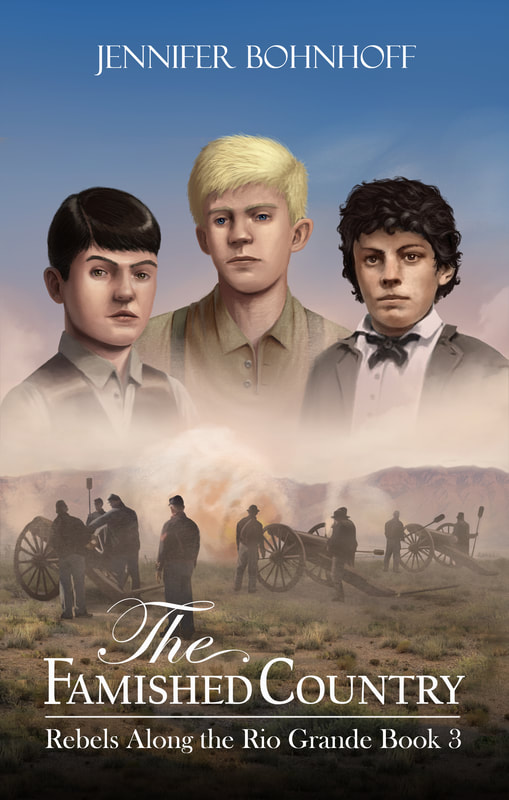
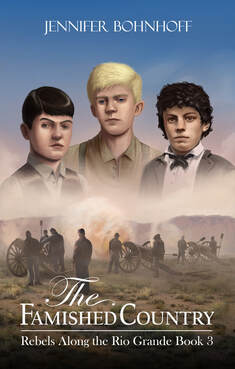
Three days ago, The Famished Country, book 3 of Rebels Along the Rio Grande, was published by Kinkajou Press, a division of Artemesia Publishing. 
Picture
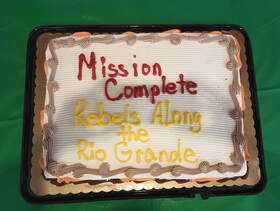
I celebrated this new book, and the end of a decade-long project with a Lunch and Learn event at my church, Faith Lutheran Church in Albuquerque. 

Faith has Lunch and Learns monthly. They are a time for people to get together, listen to a speaker, eat a lovely lunch, and spend some time socializing. I've been blessed to be a Lunch and Learn speaker numerous times over the past years.

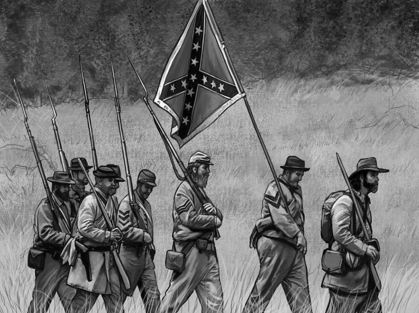
Yesterday's presentation was entitled The Long Road Home, and it was about the difficult slog of the Confederates once they had their supply wagons burned in Glorieta Pass. 
Picture
The Confederate Army was pushing back the Union forces during the Battle of Glorieta. Given another day of battle, they just might have won and been able to push their way forward, through the canyon and on to Fort Union, the best stocked supply depot in the Southwest. If they'd been able to take the fort and all its ammunition, Sibley's Army of New Mexico just might have been able to press on and take the gold fields of Colorado and the deepwater ports of Southern California. All the big dreams of the big-talking H.H.Sibley would have come to fruition, giving the Confederacy a huge boost in resources and in accomplishments. However, as the third day of battle ended, Scurry and Pyron realized that their supply wagons, left undefended back at Johnson's Ranch, had been destroyed. With no supplies, the rebels had no choice but to retreat back to Texas. On their way, the ragged remains of the army passed through Albuquerque, where the men camped, ironically, in a place named La Glorieta. They engaged Canby's forces in a cannonade there and in Peralta, and then, out of bullets and cannon balls, walked around Fort Craig to avoid another battle that they could not possibly win. 
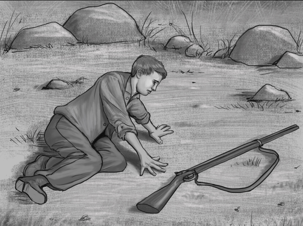
Sibley had left San Antonio, Texas in October 1861 with 3,200 men. When he returned to Confederate territory in May, 1862, he had only 1,500 men with him. The rest had been lost to battle, disease, starvation, dehydration, and desertion. Once within Confederate Territory, the army disbanded. It took months for the men to trickle back to their homes. Some of them never made it.  
It's been a long road for me as an author. I've been working on Rebels Along the Rio Grande for more than a decade now, and I am pleased that the series is complete. I have followed Jemmy back to his reunion with his father, and he, Raul and Cian are all on to new adventures. The Civil War is over for my three protagonists. 
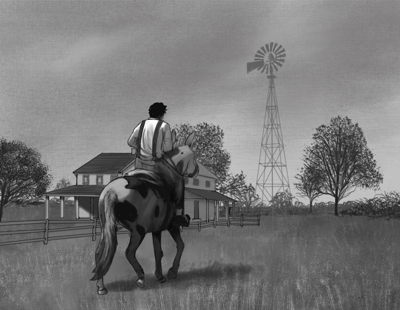
But I am not all the way home yet, and my mission isn't truly complete. Although I have all three books in print, I still need to complete teacher's guides for books 2 and 3, and I hope to get all three books produced as audio books, so that middle graders who have difficulty reading will also be able to learn about the Civil War in New Mexico. I may still have a long ways to go before I can hang my hat on the peg and call it quits.

Picture
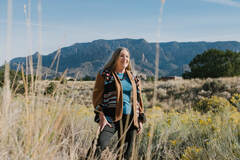
Jennifer Bohnhoff is a former educator who now devotes her time to writing. Most of her books are historical fiction, and suitable for middle grade through adult readers. You can learn more about her books here, on her website. 

Friday, October 11, 2024

The Colorado Contribution to New Mexico During the Civil War

 Picture

Colorado came to be a territory of the United States in a piecemeal fashion. Its present-day eastern and central areas were part of the Louisiana Purchase, made 1803, while the western portion of the state was acquired during the Mexican War (1846-1848) from Mexico, who had gained control over the area in 1833 when it had won its independence from Spain. Even after all the land was firmly under U.S. control, the area was divided. Parts of present-day Colorado were included in New Mexico and Utah Territories, both organized in 1850. Others were of Kansas and Nebraska Territories, organized in 1854.

Until the late 1850s, when gold was discovered in Russellville Gulch in present-day Douglas County and along Cherry Creek near where it joins with the Platte River, Colorado only had about 7,500 settlers. By 1859, an estimated 100,000 men had entered the gold fields. Because many of these men came from Georgia and other southern states, the area had a distinctive lean towards southern sympathies.


Five days before Abraham Lincoln became President on 4 March 1861, his predecessor, James Buchanan signed the law that made Colorado a Territory.  Two weeks after his inauguration Lincoln, who wanted a pro-Union governor for Colorado Territory, proposed William Gilpin to the Senate, who appointed him, but then recessed before passing any appropriations for the new Territory. Gilpin was left with just a $1,500 contingency fund with which to run the new territory. He arrived in Denver before June and toured the mining camps, discovering that the boom had passed and a new census showed only about 25,000 people including 4,000 white females and 89 Negroes in the territory, most of them concentrated in the Clear Creek, Boulder, and South Park mining districts and in the small but growing town of Denver.

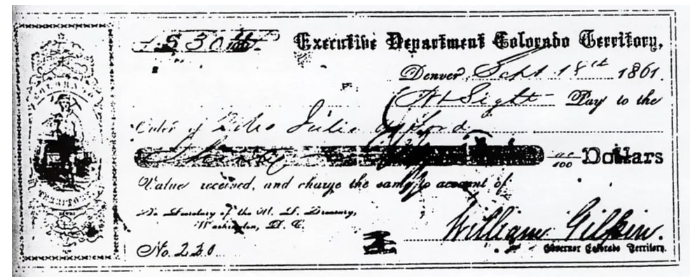
On April 12, Confederate forces fired on Ft. Sumter. The U.S. government’s focus shifted to calling up troop in the east, and the needs of Colorado was forgotten.  Concerned that the Confederacy would try to conquer the territory for its vast mineral deposits as well as its strategic location, Gilpin began organizing the Territorial military that summer. Morton C. Fisher, his newly appointed Purchasing Agent, was immediately sent out to buy and collect all the arms he could, both supply the new troops and to keep those arms out of the hands of Southern sympathizers. Not having the money to organize and equip the men, Gilpin issued $375,000 worth of drafts, known as Gilpin Scrip, directly upon the United States Secretary of the Treasury. These drafts were used as money in the Territory and were passed along to Washington, who honored payment for some of the script at a value considerably below face value. A year later, this illegal action would cost him his position as Territorial Governor, and he was forced to resign the next year. 

Picture
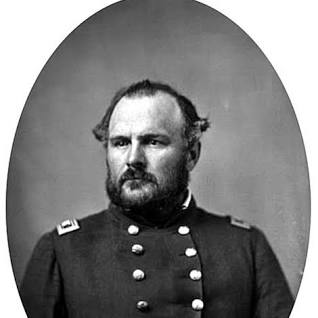
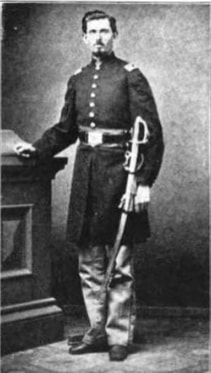
Gilpin’s intent was to use the money to create the First Regiment of volunteers consisting of ten companies. He appointed John P. Slough to be its Colonel and Samuel F. Tappan, to be Lt. Colonel. Gilpin had planned for John M. Chivington, an elder of the Methodist Episcopal Church, to be the Chaplain, but when Chivington turned down the appointment and requested a fighting commission, he was made Major. The troops were ordered to Camp Weld, a new installation being built about two miles south of Denver. Gilpin’s Script paid for the building of Camp Weld as well as uniforms, arms, supplies and equipment for the troops.
 
Chivington
 
Picture
One of the first men to join Gilpin’s new militia was Samuel H. Cook, who convinced 80 men from the gold fields of the South Clear Creek mining district to join with him on a ride to Kansas, where they would join the Union Army and serve under General James Lane. As they were passing through Denver in the middle of August, Cook met Governor Gilpin, who persuaded him to remain in Colorado and join what was becoming the First Regiment of the Colorado Volunteers. Cook’s men became a mounted troop, designated as Company F.  

In December of 1861, news came from New Mexico that Confederate troops under H.H. Sibley had invaded over the Texas border, two companies of Colorado Volunteers set out for New Mexico. These companies were Captain Theodore H. Dodd’s Independent Company, Colorado Volunteers and Captain James H. Ford’s Independent Company, Colorado Volunteers. Dodd’s Company was sent to Fort Craig, where they resisted a charge of lancers in the battle of Valverde on  February 21, 1862. Ford’s Company was sent to Taos and then Santa Fe before being ordered back to Ft. Union.  

On February 14, 1862 orders arrived that asked that all available forces that Colorado could spare be sent south to aid Colonel Canby, the commander of the Department of War in New Mexico. On February 22, the main body of the First Colorado Regiment, including Captain Cook’s Co. F, set out amid intense snow storms. They arrived at Fort Union on March 10th and were joined the next day by Ford’s Company. Slough would march most of these men south, where they participated in the Battle of Glorieta before joining forces with Canby to shepherd the retreating Confederates back to their own territory, ensuring that both New Mexico and Colorado Territories would remain in Union hands. 


Picture
Jennifer Bohnhoff's trilogy, Rebels Along the Rio Grande, is written for middle grade readers who are interested in the Civil War in New Mexico. 

Thursday, October 3, 2024

Apple butter Pie

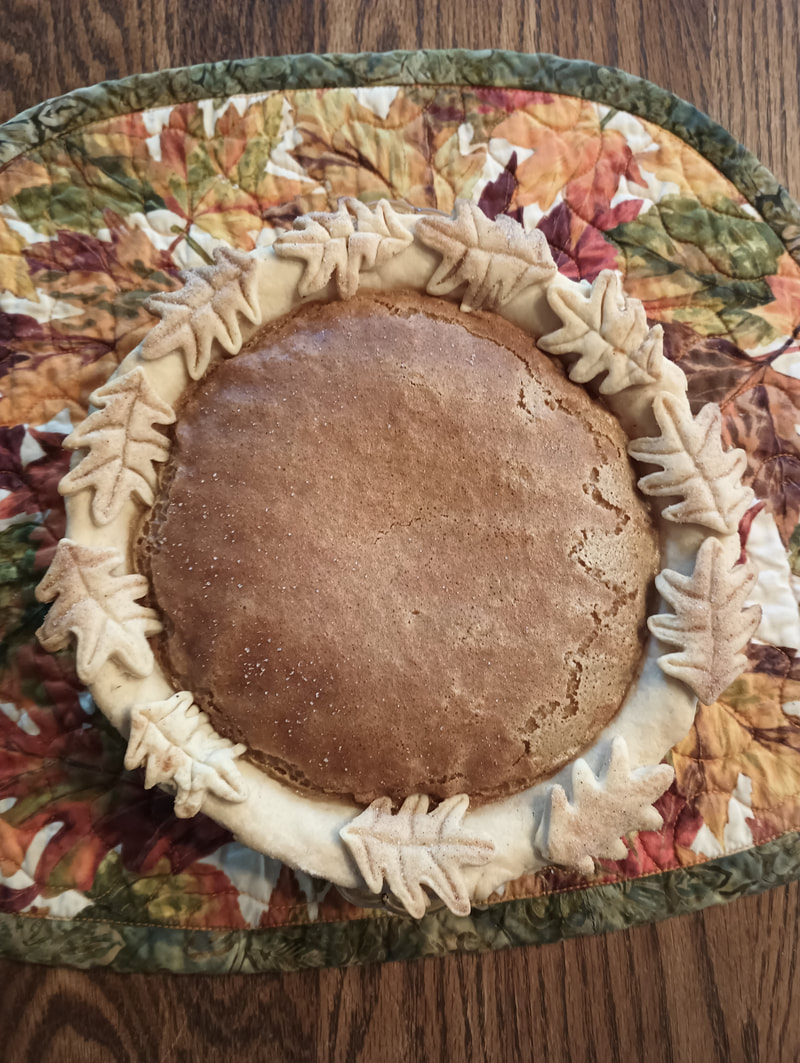
 I got a big load of apples from my sister lately. I put up jars of both smooth and chunky applesauce, stowed away bags of peeled and sliced apples in the freezer, and made a batch of apple butter.


If you've never had apple butter, you're missing out. Dark, sweet, and redolent with fall spices, it warms your heart and satisfies your tummy. I went online, looking for things to do with apple butter beyond spreading it on toast, and I found a recipe for apple butter pie. The recipe was gluten free, and had many steps that I didn't want to go through, so I took the idea, modified it, and came up with something of my own. 

Apple butter pie is a custard pie, similar in texture to a pumpkin pie. I think it would be a perfect addition to a fall feast, and a great substitute for those who aren't all that keen on pumpkin. It's also easy, especially if you have a food processor. Give it a try and tell me what you think!
Picture
Crust: 
1 1/3 cups all purpose flour
1/2 tsp salt
1/2 cup shortening
2 1/2-3 TBS ice water
1/2 TBS vinegar

Filling:
1 cup apple butter
3 large eggs
1 cup dark brown sugar
1 TBS all purpose flour
1/2 tsp cinnamon
1/2 tsp salt
14 oz. evaporated milk
1 tsp vanilla.

Cinnamon Sugar:
1 1/2 TBS granulated sugar
3/4 tsp ground cinnamon
Food Processor Method: 

Preheat oven to 400°

Place flour and salt into food processor bowl. Dollop shortening over flour. Pulse 1 or 2 times. Slowly add vinegar through liquid dispenser while pulsing. Add water slowly while pulsing. When dough forms into a solid ball, take it out of the processor bowl, wrap in plastic wrap, and refrigerate for about 10 minutes. Place on a floured sheet of wax paper. Use a floured rolling pin to roll the dough into a circle 3" bigger than your pie plate. Pick up the waxed paper and flip it over atop the pie plate. Ease into the plate. Crimp the edge, or flatten it and brush it with cold water. Use a small cookie cutter on  scraps to make shapes to go around the edge or to float on the filing. Sprinkle the shapes with some of the cinnamon sugar.

Add all filling ingredients to food processor bowl and process until smooth. Pour into pie crust. If using, add cutouts to pie. Sprinkle filling with remaining cinnamon sugar.

Bake at 40
0°for 10 minutes. Reduce heat to 350° and continue baking for 30-40 minutes, until crust is brown and filling doesn't jiggle when the pie is shaken.
Let pie cool for at least an hour before serving. A big dollop of whipped cream really enhances this pie.
Mix by Hand Method: 

Preheat oven to 400°

Mix flour and salt in medium bowl. Cut shortening into flour using a pastry cutter or fork until particles of shorting are the size of small peas. Sprinkle with vinegar and mix with fork. Sprinkle with water 1/2 TBS at a time until dough forms into a solid ball. Take it out of the  bowl, wrap in plastic wrap, and refrigerate for about 10 minutes. Place on a floured sheet of wax paper. Use a floured rolling pin to roll the dough into a circle 3" bigger than your pie plate. Pick up the waxed paper and flip it over atop the pie plate. Ease into the plate. Crimp the edge, or flatten it and brush it with cold water. Use a small cookie cutter on  scraps to make shapes to go around the edge or to float on the filing. Sprinkle the shapes with some of the cinnamon sugar.

Beat all filling ingredients together in a bowl until smooth. Pour into pie crust. If using, add cutouts to pie. Sprinkle filling with remaining cinnamon sugar.

Bake at 40
0°for 10 minutes. Reduce heat to 350° and continue baking for 30-40 minutes, until crust is brown and filling doesn't jiggle when the pie is shaken.
Let pie cool for at least an hour before serving. A big dollop of whipped cream really enhances this pie.

Jennifer Bohnhoff is the author of contemporary and historical fiction for middle grade through adult readers. She also likes to putter in the kitchen. For more information on her and her books, visit her website. For more recipes, sign up for her newsletter.
Saturday, September 28, 2024

Civil War Books for Middle Grade Readers


Picture
The American Civil War may be 150 years ago, but it still fascinates adults and children alike. When people think about the Civil War, they think of Antietam, Gettysburg, and other great battles in the east. They think of the Emancipation Proclamation and the freeing of the Black slaves in the south. With the possible exception of Bloody Kansas, few people are aware that there were Civil War battles east of the Mississippi, but there were.

I learned how few people were aware of the Civil War in the west when I taught New Mexico history to 7th graders. My parents were surprised when their children started talking about Civil War battles. Some even told me that I was wrong, and that there were no battles here. There were, and had the Confederacy won them, the war might have turned out very differently. I wrote Rebels Along the Rio Grande because there was such a paucity of material on this subject.

Here’s a list of books about the Civil War for middle school readers. Some are fiction. Some are nonfiction. But only mine are about what happened in the New Mexico territory during the war. On this topic, I am out standing, alone, in my field.  

Picture
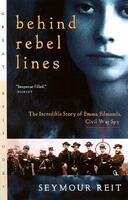
Behind Enemy Lines  by Seymour Reit
Emma Edmonds may be Canadian-born, but when the Civil War begins, she crops her hair, dons men's clothing, and enlists as a spy for the Union Army. Disguised as, among others, a peddler, a slave, and a bookkeeper, she gathers information while risking discovery and death for the sake of freedom. This is fictional, but readers will forget that and be caught up in Emma’s harrowing escapes from discovery.

Picture
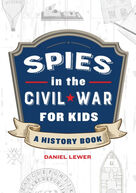
Spies in the Civil War for Kids: A History Book  by Daniel Lewer. Any kid who reads Behind Enemy Lines will want to follow up with this book, where they will learn the facts behind the fiction. It’s fascinating to learn about the clever plots, inventive gadgets, and clever disguises that aren’t always presented in the history books.  Lots of full-color illustrations and battle maps draw in reluctant readers.

Picture
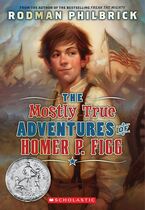
The Mostly True Adventures of Homer P. Figg  by Rodman Philbrick
I love Rodman Philbrick’s writing, and this novel is among his best. There’s a good reason it’s a  Newbery Honor winner. Homer is a 12 year-old orphan whose older brother, Harold, has been sold into the Union Army. Homer runs away from Pine Swamp, Maine, to find Harold, and finds himself in the company of thieves, scallywags, and spies. In turns funny and sad, readers will be pulled along to the dramatic climax that takes place on  Little Round Top during the Battle of Gettysburg.


Picture
If Gettysburg is your thing, I recommend you read my novel The Bent Reed after finishing Philbrick’s book. Sarah McCoombs feels isolated and uncomfortable when her mother pulls her from school and allows a doctor to treat her scoliosis with a cumbersome body cast. When the McCoombs farm becomes a battle field and then a hospital, Sarah must reach deep inside herself to find the strength to cope as she nurses wounded soldiers from both sides. 

Picture
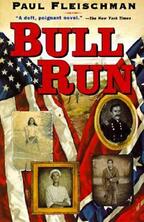
Bull Run  by Paul Fleischman is another of my favorite books. The winner of the Scott O'Dell Award for Historical Fiction, an ALA Best Book for Young Adults, and an ALA Notable Children's Book, this novel tells the story of the Civil War’s first great battle from sixteen different points of view representing north and south, male and female, black and white. I’ve used this book in my classroom, assigning the different parts to different students, and it was an emotional experience, especially when some of the voices disappeared and the students knew that they had been killed. 

Picture
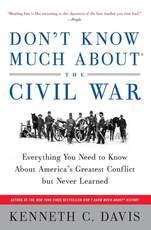
Don't Know Much About the Civil War: Everything You Need to Know about America's Greatest Conflict But Never Learned  by Kenneth C. Davis
Part of a series of “Don’t Know Much About” books, this book wasn’t really written specifically for middle grade readers, but it is extremely readable, and a great resource for even reluctant students.  New York Times bestselling author Ken Davis describes every major event of the Civil War era, but he also includes the little tidbits that students love.  A great, encyclopedic book that kids can peruse and jump around through.

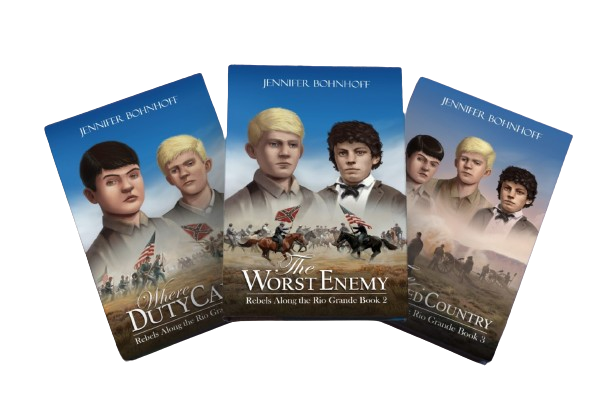
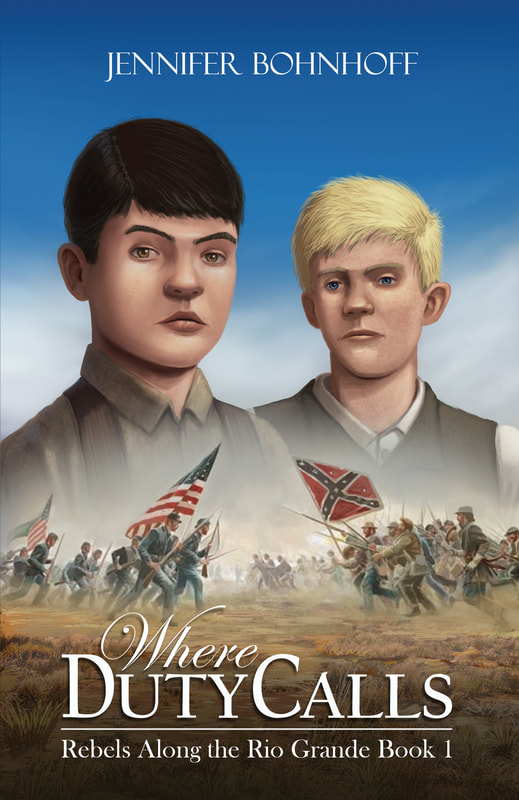
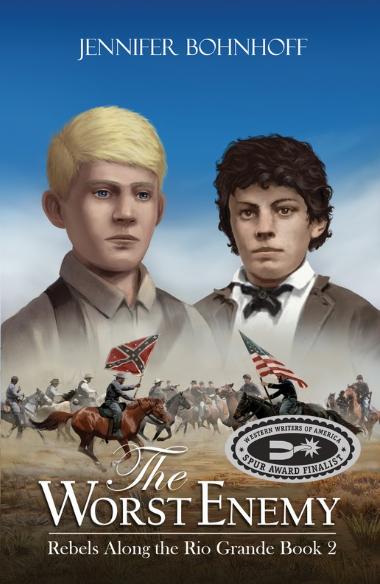
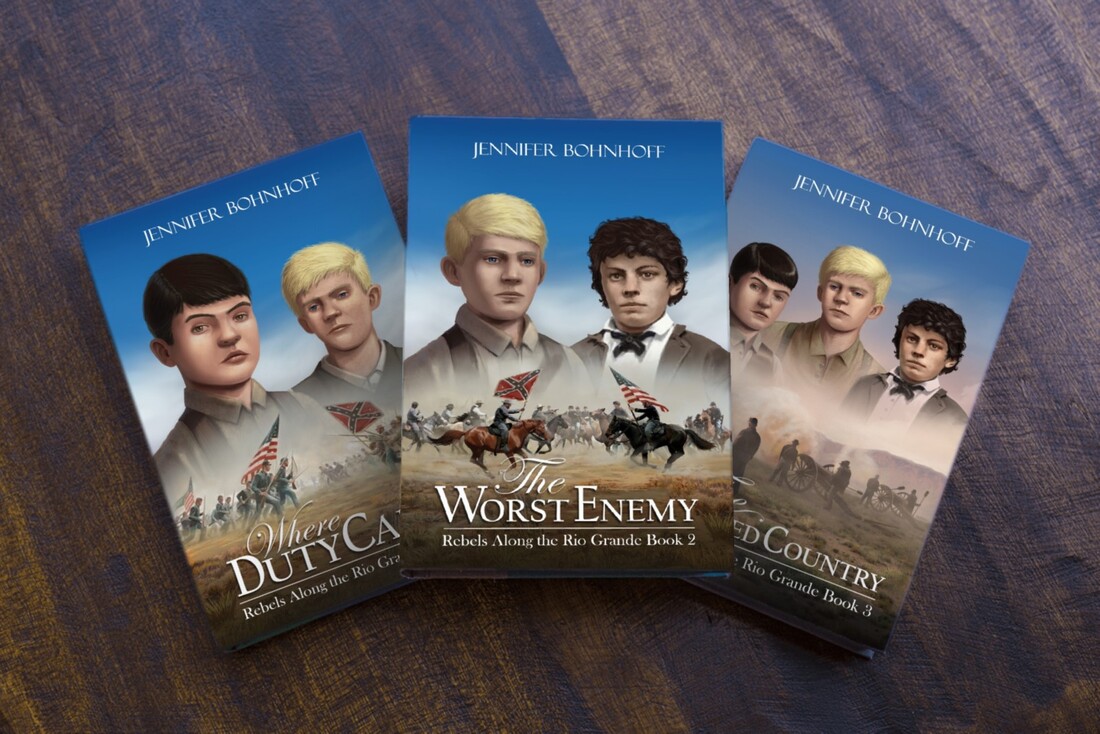
My trilogy, Rebels Along the Rio Grande tells the story of three boys from different cultures. When his brother sells the family mules to a regiment of Texas Mounted Volunteers, Jemmy Martin becomes a packer, a teamster, and finally a medic as he follows his mules in a desperate attempt to bring them home safely. Raul Atencio is the nephew of a prosperous Socorro, New Mexico merchant who sells goods to the Union Army. He’s delivering supplies when the Confederates arrive and he becomes an unwilling participant in the defense of the Fort. In search of security and a full belly, Irish orphan Cian Lochlann gives up gold prospecting to join the Colorado Volunteers, then finds himself at the Battle of Glorieta Pass, which historians have called the "Gettysburg of the West." This fictional series, heavily based on true events, tells the story of the Confederate invasion of New Mexico from its beginning, presented in book 1, Where Duty Calls, the dramatic climax in The Worst Enemy,  right through their final retreat in The Famished Country.

Do you know another middle grade book on the Civil War that you could recommend? Leave it in the comments to help other readers.

To celebrate the publication of The Famished Country on October 15, I’m giving away two paperback and two ebook copies of each of my Civil War titles. If you would like one, reply with the name of the book you would like, and whether you want a paperback or digital copy. I would very much appreciate if you left a review on the book you received.

Many of the links in this blog post link to Bookshop.org, an online bookseller that gives 75% of its profits to independent bookstores, authors, and reviewers. If you click through these links and make a purchase on Bookshop.org, I will receive a commission, and Bookshop.org will give a matching commission to independent booksellers. If you’re not looking to buy, you can find or request these books from your local library.

Thursday, September 19, 2024

Let Sleeping Cannons Lie

 General Sibley’s Army of New Mexico was in desperate shape when he ordered their retreat back to Texas. Although they had pushed back the Union forces at the Battle of Glorieta Pass on March 26–28, 1862, a Union unit had discovered and destroyed their supply train.  By the time his troops rallied in Albuquerque, only had enough food for 15 days and no more than 35 to 40 rounds of ammunition per man. Sibley recognized that they would have to travel quickly and unimpeded if he was to have any hope of making it down the valley and out of the territory. 

Traveling unimpeded meant getting rid of anything that would slow the army down. With so many of their wagons burned and their mules and horses gone, the decision was made to leave behind eight brass two M1835 mountain howitzer cannons. So that they wouldn’t fall into Union hands and be used against them, the cannons were buried in a corral behind San Felipe Neri Church. 

​On the morning of April 12, the rebel army left Albuquerque.
More than a quarter of a decade later, in August of 1889, a Confederate returned. 

Picture
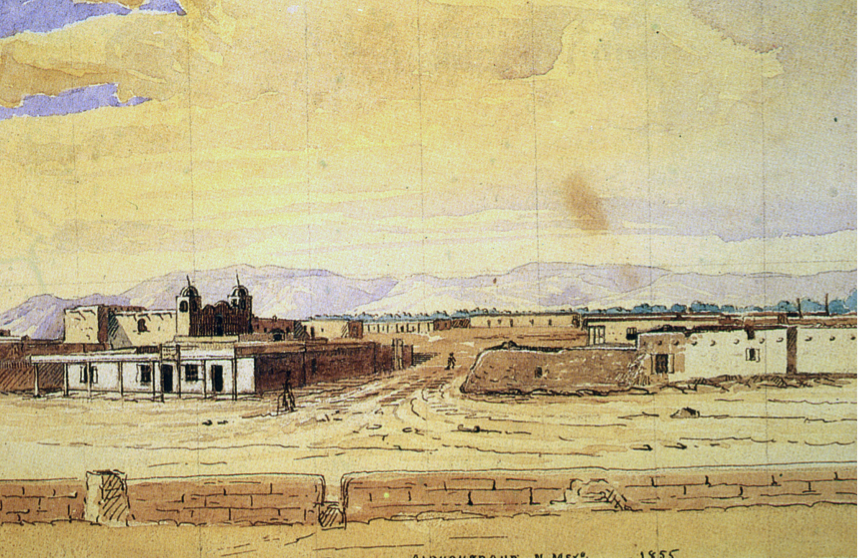
Albuquerque's Old Town in 1885. The cannons would have been buried to the far left, just out of this picture.
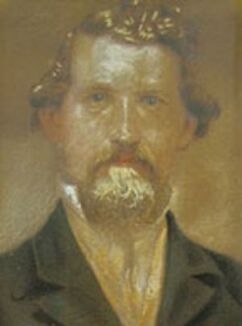
PictureMajor Trevanian T. Teel
The man who returned was Trevanian T. Teel, who had served under Sibley as an artillery officer, and had helped to bury the cannons.  He now lived in El Paso, and the fate of the cannons rested heavily on him. Teel rounded up a group of locals and went to where he thought he remembered the corral to be. Instead of horses, he found a chile patch belonging to a man named Sofre Alexander. Over Alexander’s protests, the men dug up the field. they found all eight cannons.

What exactly happened to these guns is still a subject of speculation. The United States Government gave four guns to the State of Colorado, and the other four to New Mexico. The four Colorado guns are accounted for. All four were originally kept at the Colorado State Museum in Denver. In 1967, two of Colorado’s guns were being readied for a move to the newly restored Fort Garland army post when curators discovered that three of the four Colorado cannon were still loaded, 105 years after they had been buried. An army demolition team from Fort Carson was called in to remedy the situation.

Picture
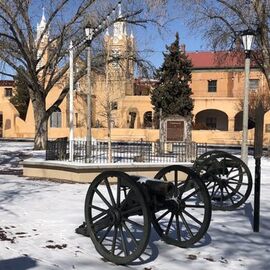
Only two of the four guns given to New Mexico are accounted for. These two stood in the plaza at Albuquerque until the spring of 1983, when it was determined that letting them be handled by the public and subjecting them to the elements was not the best way of preserving them. Then-Mayor Harry Kinney had the cannons removed to the Museum of Albuquerque, where they were supposed to become part of the permanent display. (I have never seen them, and believe they are in storage in the basement.) The two howitzers that sit on the east side of the plaza in Albuquerque’s Old Town are replicas.

The remaining two howitzers are missing. They might be the two cannons that stood in the plaza in Santa Fe before World War II, but there is no record showing what kind of cannons those were. The October 15, 1942 issue of the Santa Fe New Mexican reported that the Santa Fe City Council donated two cannons that were 700 lb "monsters" to the war effort. Mountain Howitzers weight only 220 lb each, so these might not be the cannons that had been buried in Albuquerque. In addition to the cannons, it is said that an estimated 300 to 500 weapons recovered from the battlefield at Glorieta Pass were also donated to a World War II scrap drive. 

The destruction of that many historical firearms saddened me when I read about it. But not everyone thinks as I do. While I was searching the web for information on these guns, I found many blogs calling for the removal of the two howitzer replicas from Old Town. Bloggers suggested that having the cannons there glorified war, or, since they were Confederate pieces, implied an approval of slavery.

Maybe Teel should have let sleeping cannons lie.


Picture
Jennifer Bohnhoff is a retired history and language arts teacher. She is the author of historical and contemporary fiction for middle grade through adult readers. The Famished Country, book three of Rebels Along the Rio Grande, includes the story of the Battle of Albuquerque and the burying of the cannons.

Thursday, September 12, 2024

A Brief Rant on forest Management


Picture
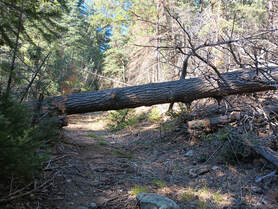
This week, as I was walking one of the trails behind my house, I came to this behemoth hanging over the path. This downed tree isn't new: it's been there for months. At first, I had to walk around it, which involved a lot of bushwhacking, but then one of my wonderful neighbors went out with a saw and cut off all the limbs. Now, I can duck underneath. (It's not a very deep duck, either. This is a BIG tree, and the space beneath it is close to 5'.)

The fact that this tree is still crossing my trail got me thinking, and those thoughts are going to turn into this rant, for which I apologize in advance. 

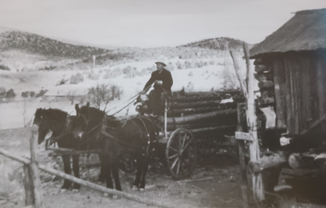
PictureLuis Gonzales in Primera Agua, near Tijeras. Courtesy of East Mountain Historical Society archives.
The trail beneath this tree is so wide because it wasn't always a trail. More than a hundred years ago, this trail was a wagon road. Back when the little village of Madera was just downhill from where I live, this road was used by men who cut timber in this canyon. That's where the canyon and the village got their name: Madera is Spanish for lumber. Later, the road was probably used for mining.

Signs of old logging are evident throughout my neighborhood and the surrounding woods. Walk anywhere, and you're likely to find piles of old branches that are definitely not just windfall. Their larger ends bear evidence having been sawed, not broken off the tree. It may seem surprising that these limbs might be over a hundred years old, but this is dry country, and wood doesn't decay quickly here. I've been passing some of these wood piles since 2001, and I've seen very little change in them.  Walk 20 feet from any of these piles and you will find evidence of an old road. 
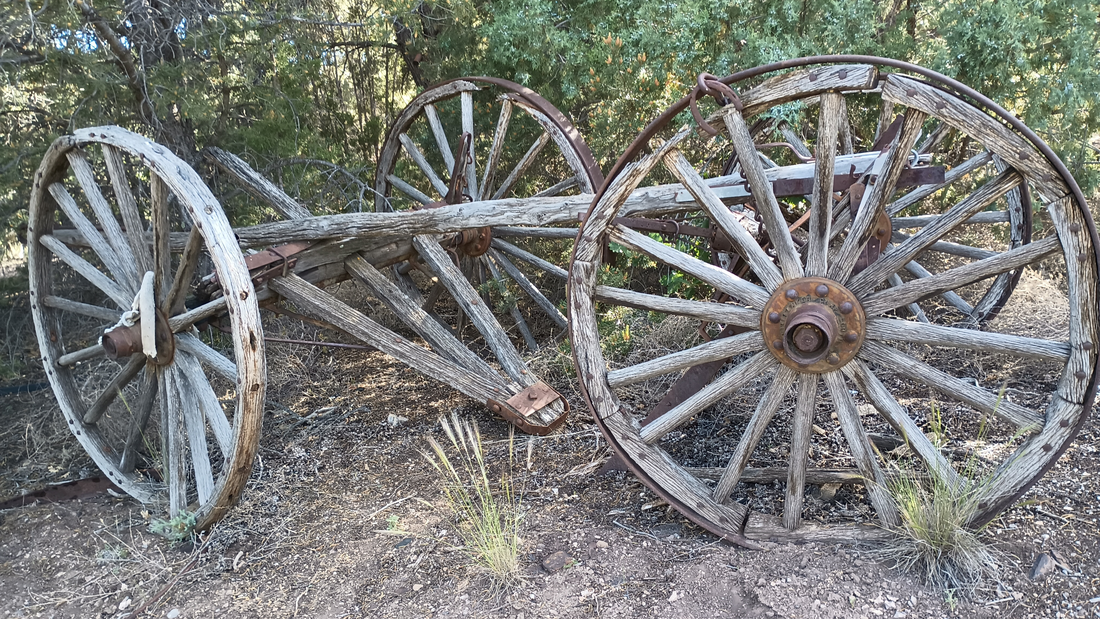
Timelines of the East Mountains, a huge book put out by the East Mountain Historical Society, states that between 180 and 240 woodcutters worked in the forests that are now part of the Cibola National Forest. In 1937, the Forest Service charged woodcutters 25 cents a cord to harvest the wood if it was to be sold. If it was for personal use, the wood was free. Most of the woodcutters' wagons could hold half a cord. One of those old wagons still rests in my neighborhood. 
Picture
Drury Sharp lived in the east mountains in the early years of the twentieth century. He remembers joining a train of wood haulers on their way to Albuquerque. The train spent the night in Tijeras Canyon, camping by the side of the road. The men sat around a fire, which customarily was fed by the wood haulers, who took turns throwing in logs from their wagons. Dinner was a communal meal of shared tortillas, coffee boiled in a lard pail, and a frying pan of pinto beans and chili. Most woodcutters made the trip into Albuquerque 40 to 60 times a year, with each of their loads worth between $2 and $3.50.
Despite the fact that wood cutters weren't making huge amounts of money, it's obvious that they took their time doing their job. Even in the places where I find large piles of branches, there are large, old trees standing. It's obvious that the men who worked these mountains never clear cut their trees, but selectively left some for future generations. I believe this kept the forests healthy, giving the trees they left behind more air and sunlight in which to thrive.
Enter the Forest System. It is no longer legal to harvest wood on the forested slopes behind my house, and it needs to be done. In the two decades that I have been walking these trails, I've seen the forest go from a healthy, open forest to one that's choked with downed and dying trees. The bark beetle infestation of the last few decades certainly didn't help; there are some parts of the forest with more dead trees than live ones. But no one is harvesting these downed trees, and they lie across trails, choke streams, and present a real fire danger for the forest and nearby communities. 
Picture
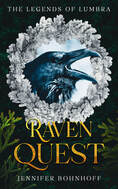
My middle grade fantasy Raven Quest is based on the history of the village of Madera. In it, the villagers harvest wood from the mountains just as the actual villagers did. Savio, the main character, walks through the same forests that I walk through and he, just and I have, notices the piles of branches and the trees that have been passed over. At one point, he uses a magic lens to see the wood cutters transformed into beavers busily harvesting trees. I think if the beaver people from Raven Quest or the people who lived in the once-thriving village of Madera were to find a tree blocking their path, they would do the right thing: they would cut it up, load it onto their wagons, and haul it out so that it could heat someone's house or be made into roof vigas or furniture. A tree as big as the one I photographed could be turned into many cords of wood. I know of at least one busy beaver neighbor of mine who would be happy to cut this tree up and haul it out, if only he could. 
Jennifer Bohnhoff writes books for middle grade through adult readers. You can read more about her book here, on her blog. 

Sunday, September 8, 2024

Parking at the Prestigious Parker House


My husband had a business meeting in Boston on the Friday before Labor Day Weekend, and decided that he and I should turn the opportunity into a mini vacation. I got online, searched for hotels close to where he was meeting, then made reservations at one that had the most reasonable price but also had good ratings. The hotel I chose was the Omni Parker House. 
Picture
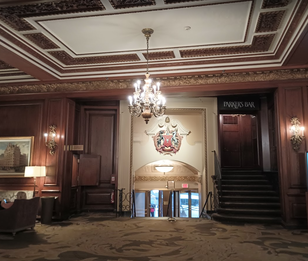
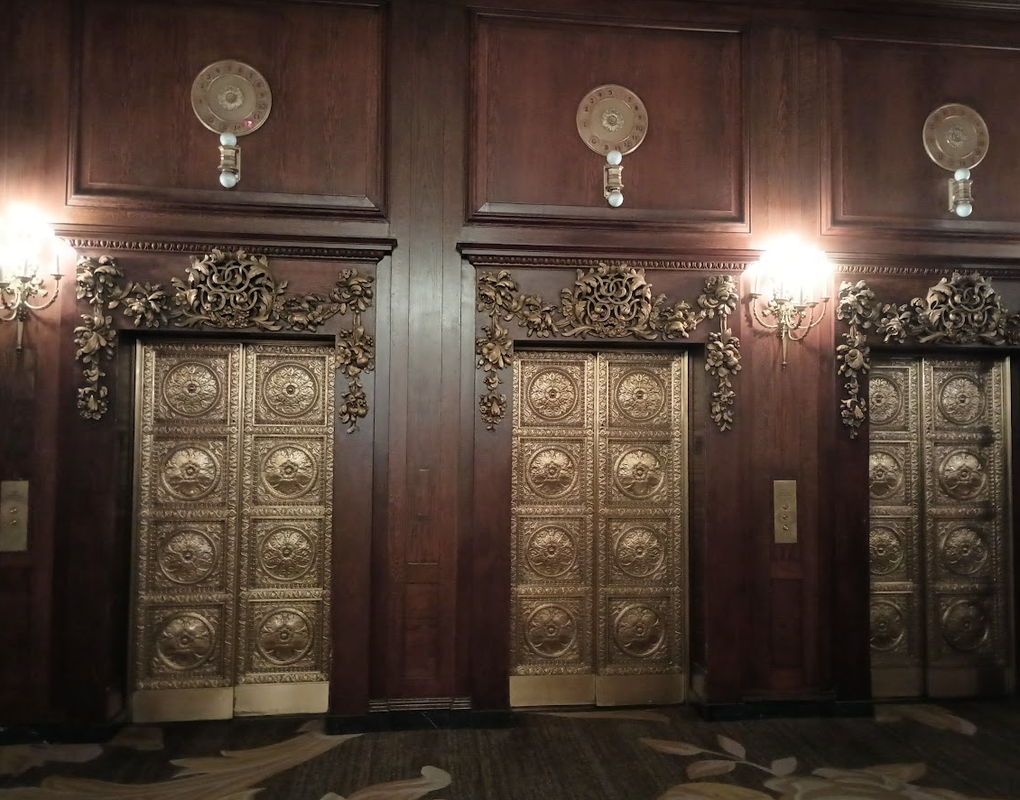
It wasn't until I walked into the sumptuous, well appointed lobby that I realized that I'd accidentally booked our stay in an absolute treasure. The lobby, paneled in dark, polished wood, was lit by candelabras. Soft carpets padded the floor. Sofas and giant wing chairs clustered around marble topped coffee tables. The lobby was a Victorian delight. This was no ordinary hotel!

When Harvey D. Parker (1805–1884) opened the Parker House in 1854, it was considered the first hotel in the United States "on the European Plan," which meant that it charged only for the cost of a room, with meals charged separately. The building, designed by renowned architect William Washburn, was hailed as  "an immense establishment of marble." It sood on the corner of School Street and Tremont, on the former site of the Boston Latin School that was attended by Benjamin Franklin. Later, the home of Jacob Wendell, the great-great-grandfather of Oliver Wendell Holmes Jr. The Parker House hosted a dizzying array of celebrities and politicians over the years.
Picture
We checked in at the front desk, then went to the elevators, where a lighted dial indicated on which floor the car stopped. The gilded doors opened and I stepped in. Parker House? Where had I heard that name before? Isn't there a dinner roll called the Parker House roll?

Picture
The answer to my question is, yes there is, and it was created by a German baker working at the Parker House Restaurant in the 1860s . The rolls have a distinctive fold and are puffy on the inside and crispy and buttery on the outside. The rolls became so popular that in 1933, President Franklin Roosevelt had them served at a White House Dinner.

But those rolls are not the only food made famous by the Parker House. This hotel's restaurant is also the home of the Boston cream pie, which is not a pie at all, but a double layered sponge cake with a vanilla pudding filling and a chocolate glaze. Augustine Sanzian, a French chef that Parker hired in 1856 for the exorbitant salary of $5,000, is said to be the creator of the decadent dessert. 
Picture
But the Parker House is not just famous for its food. Many famous people have walked through this lobby. During the nineteenth-century, the Saturday Club, which included Ralph Waldo Emerson, James Russell Lowell, Nathaniel Hawthorne, John Greenleaf Whittier and Henry Wadsworth Longfellow, Charles Francis Adams, Francis Parkman, and  Oliver Wendell Holmes Sr. met on the fourth Saturday of every month, except during July, August, and September. 

Charles Dickens kept a suite of apartments 
in the Parker House for five months in 1867–1868 while he was on a speaking tour of the United States. A decade later, Mark Twain told a reporter that staying at the Parker House was heavenly: "You see for yourself that I'm pretty near heaven—not theologically, of course, but by the hotel standard."

And while my husband and I were eating breakfast in the restaurant, the waitress pointed out the table in the corner where Jack Kennedy proposed to Jackie. (Martin's Tavern in Washington D.C. claims that it happened there, though.)
The Parker House even had some famous employees. Ho Chi Minh, later the President of the Democratic Republic of Vietnam, was a baker there in 1913, and  Malcolm X, worked as a busboy there in the 1940s. Emeril Lagasse served as sous-chef in the Parker kitchens from 1979 to 1981.
I came to Boston so that I could walk its cobbled streets and see buildings made famous during the American Revolution. How fortunate I was to have stumbled into the Parker House! It added so much to my visit. 

Keeping Time with the Romans

  Modern societies rely on precise and standardized timing. Our schedules are synchronized to prevent chaos, ensure safety, and keep complex...